


Why Are Plastic Recycling and Upcycling So Important?
Global crisis and microplastics:
Over 300 million tonnes of plastic waste are generated worldwide every year, with a large proportion ending up in landfills or the ocean. Plastics can take hundreds of years to break down and release microplastics, which are now found throughout the food chain and pose serious risks to ecosystems and food safety.
Hong Kong policy landscape:
With the rollout of disposable plastic bans and producer responsibility schemes, proper plastic sorting has become a shared responsibility for both citizens and businesses in Hong Kong.
Giving resources a new life:
Through ECOHOPE’s technology, recycling is no longer just “waste handling” — it becomes a process of transforming discarded materials into high-quality local upcycled products, enabling a truly circular resource system.
Plastic Types, Recyclability and Upcycling Potential
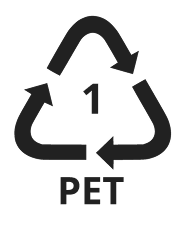
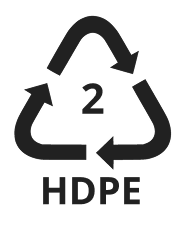
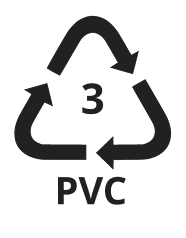
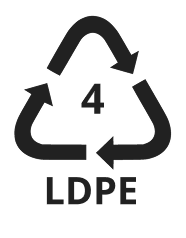
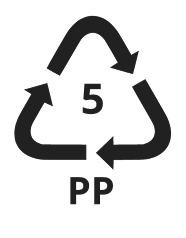
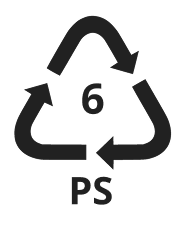
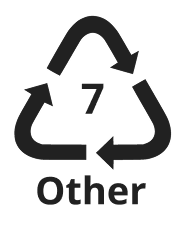
Correctly identifying plastic types is the foundation for efficient recycling and upcycling. Follow these four simple steps to determine if your plastic items can enter ECOHOPE’s circular system
Learn How to Identify Plastic CodesLearn About “Recyclable” vs “Non-Recyclable” Plastics
ECOHOPE’s Professional Recycling and Processing Workflow
We follow a transparent, standardised process to ensure every resource delivers maximum value:
Smart collection:
Book on-site collection via the ECOHOPE App or use our community recycling facilities.
Accurate sorting:
Strict separation by plastic codes (1–7) to protect material quality.
Deep cleaning:
Remove residues and contaminants to prepare materials for high-quality regeneration.
Local processing:
Shredding, washing, and pelletising are conducted in Hong Kong to reduce transport emissions.
Upcycling:
Our design and R&D teams turn recycled pellets into new sustainable products, from textiles to lifestyle and office items.
Practical Waste Reduction Tips
Prioritise high‑value plastics:
Focus on collecting codes 1, 2, 4, 5, and 6, which generally offer better recycling or upcycling potential.
Prepare items correctly:
Ensure plastics are clean and dry, and remove non‑recyclable labels, tapes, or food residues as far as possible.
Corporate involvement:
Offices and factories can join ECOHOPE’s corporate plastic management programmes to align with ESG commitments and regulatory requirements.
Frequently Asked Questions
Why must plastics be thoroughly cleaned before recycling?
Can plastic waste from model hobbyists be recycled?
What is PLA bioplastic?
Take Action Today
Ready to start your plastic recycling journey? Whether you are a household or an organisation, ECOHOPE provides the technology and support you need.
Browse upcycled productsDownload the App to Book On-Site Collection