


Plastic Identification Codes Explained: From Correct Sorting to Upcycling
Understanding resin identification codes is the first step to meaningful environmental action. Most plastic products have a triangular symbol on the bottom with a number from 1 to 7. These numbers indicate the material’s chemical composition and strongly influence its suitability for recycling and upcycling.
How to Identify Plastic Codes?
Correctly identifying plastic types is essential for efficient recycling and upcycling. Follow these four simple steps to see whether your plastic items can enter ECOHOPE’s circular system:
Look for the triangle symbol:
Turn the plastic item over. On the base or the back of the packaging, you will usually find a triangle made of three arrows.
Check the number inside the triangle:
The number from 1 to 7 in the centre is the resin identification code and indicates the plastic’s composition.
Confirm the material abbreviation:
Some products also show abbreviations such as PET, HDPE or PP below the triangle, helping you sort plastics more precisely.
Match recycling value and handling:
Refer to our Plastic Recycling Guide to see whether the code is in a more easily recyclable group (such as 1, 2 or 5) and then use the ECOHOPE App to book on-site collection.
Code 1: PET (Polyethylene Terephthalate)
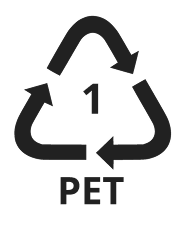
Properties
Clear, rigid and lightweight, but repeated reuse can lead to potential leaching of substances if used improperly.
Common products
Drink bottles, food containers, medicine bottles.
Recycling value
★★★★★ (Very high).
ECOHOPE upcycling
PET is one of the easiest plastics to recycle. We convert it into high‑performance rPET fibres. For example, around eight recycled bottles can be turned into a quick‑dry T‑shirt, depending on weight and design.
Code 2: HDPE (High-Density Polyethylene)
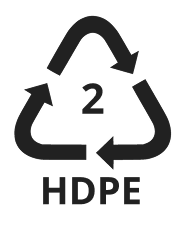
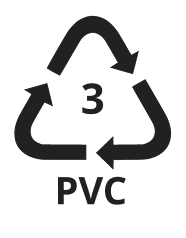
Code 3: PVC (Polyvinyl Chloride)
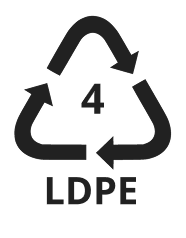
Code 4: LDPE (Low-Density Polyethylene)
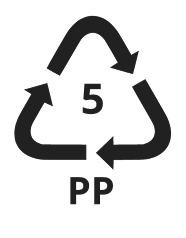
Code 5: PP (Polypropylene)
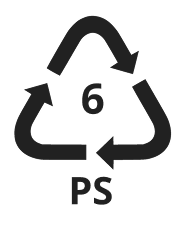
Code 6: PS (Polystyrene)
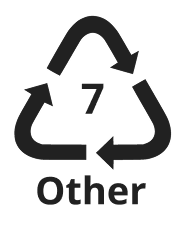
Code 7: Other
Expert Recycling Tips
Clean and dry:
Residues can contaminate entire loads of material. Rinse plastics thoroughly and let them dry before recycling.
Squash to save space:
Crushing PET bottles (code 1) improves transport efficiency and reduces emissions.
Use the ECOHOPE App:
Instantly book on-site collection and check how different plastic codes are processed within ECOHOPE’s system.